

If you’ve ever stood on a construction site and heard someone debating between hollow slabs and solid slabs, you’re not alone. It’s one of those friendly construction arguments that never seems to end. Both have their loyal fans and very good reasons to love them. But when it comes down to it, which one truly deserves your attention — and your project’s foundation? Let’s break it down in simple terms.
What Exactly Are Hollow Slabs?
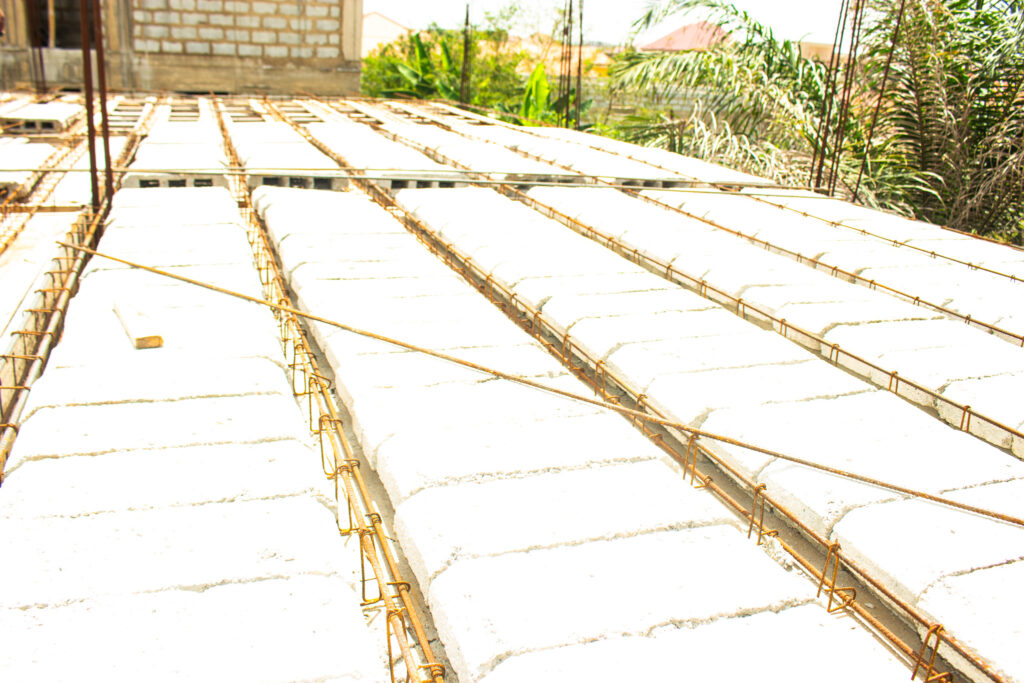
Before we start comparing, let’s understand what hollow slabs are. Picture a concrete floor with long, empty tunnels running through it — that’s your hollow slab. These hollow spaces aren’t just for decoration. They make the slab lighter without losing much strength. Think of it like eating a donut instead of a heavy loaf of bread; you get the sweetness, but not the weight.
Hollow slabs are typically precast, which means they’re made in factories under controlled conditions and then transported to the site. This makes them super consistent in quality and easy to install. You’ll often see them used in multi-story buildings, parking garages, and even bridges. They’re great for projects that want strong floors without adding unnecessary load to the structure.
Solid Slabs — The Classic Choice
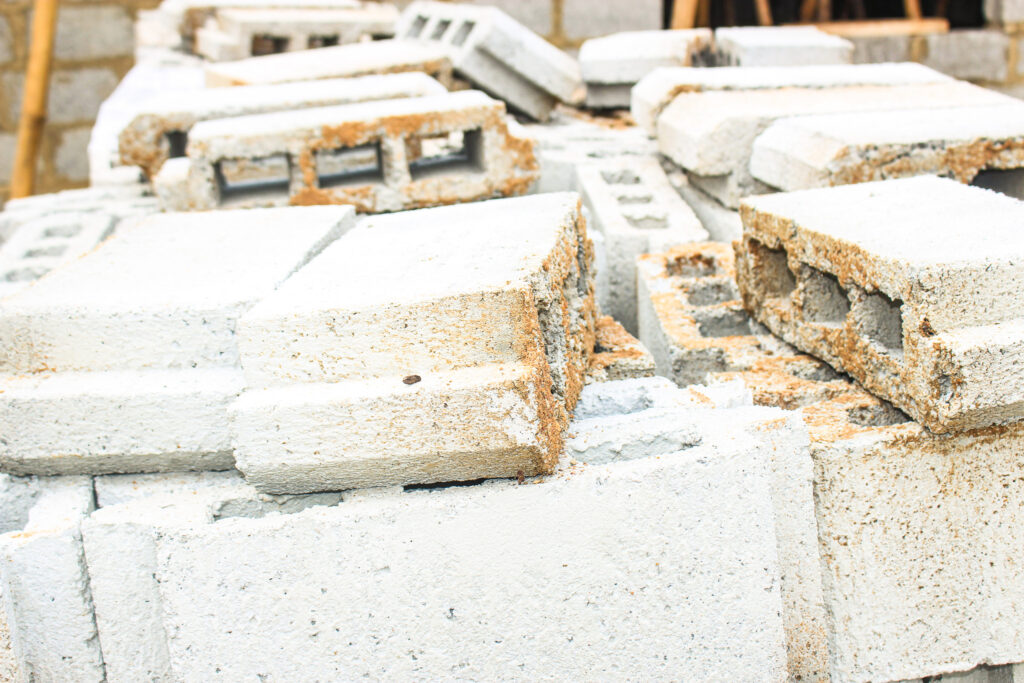
Now, on the other hand, we have solid slabs — the traditional full-concrete type that’s been around forever. These are exactly what the name suggests: solid through and through. Solid slabs are usually cast on-site, which gives builders more flexibility in design and thickness. They’re a favorite for small residential projects, especially when you need a simple floor slab or roof.
You might think solid slabs sound boring compared to their hollow cousins, but they have their own strengths. Since they’re dense, they perform better in situations that require high load-bearing capacity or when vibration is a concern. They also allow for easier cutting or modification during renovation — something that can be tricky with hollow slabs.
The Great Showdown: Weight, Cost, and Efficiency
Let’s compare them side by side like two contestants on a building reality show.
Weight: Hollow slabs are much lighter because of the air gaps inside. This helps reduce the load on beams, columns, and foundations. Solid slabs, on the other hand, are heavier, which means the entire structure needs to be designed to carry more weight. For tall buildings, lighter often means cheaper and faster construction.
Cost: You might assume hollow slabs are more expensive because they sound fancy, but that’s not always true. While they can have a higher upfront cost due to precasting and transport, the reduced structural weight often saves money on foundations and materials. Solid slabs are cheaper to make on-site but can require more steel reinforcement and concrete overall.
Installation Speed: Hollow slabs are like pre-cooked meals — you just deliver them, place them, and connect them. That’s why large construction projects love them. Solid slabs, however, need formwork, curing time, and a bit of patience. So if your project is running on a tight schedule, hollow slabs can be a real time-saver.
Sound, Fire, and Comfort — The Everyday Factors
Here’s something you might not think about: sound and comfort. Solid slabs usually provide better sound insulation because of their density. If you’re building an apartment where privacy matters, this could be a small but important advantage. Hollow slabs can sometimes transmit more noise if not installed properly, but with modern techniques, this gap is closing fast.
Fire resistance is another factor. Both types can perform well under fire, but solid slabs tend to resist heat for a slightly longer time. Hollow slabs can be designed to meet the same standards, though, so it really depends on the building’s fire rating needs.
So, Which One Wins?
The truth? There’s no one-size-fits-all answer. Hollow slabs win in terms of weight reduction, faster installation, and long-span performance. They’re the smart choice when you want efficient construction and reduced foundation loads. Solid slabs, however, remain unbeatable for smaller projects, renovations, or when you need a traditional on-site build.
If you’re working on a high-rise, parking structure, or commercial space, hollow slabs will likely save you time and money in the long run. But if you’re building a single-story home or a simple extension, solid slabs are more practical and cost-effective.